
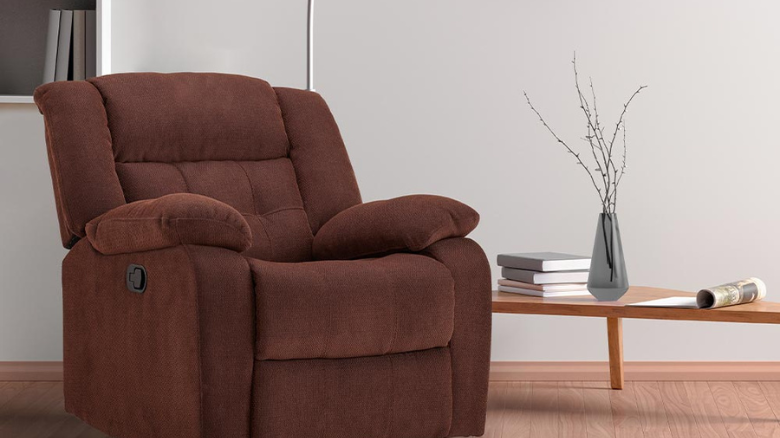
Recliners, those cherished bastions of relaxation, have undergone a remarkable transformation over the years. Their journey from simple chairs offering basic comfort to sophisticated pieces of furniture equipped with cutting-edge technology is nothing short of fascinating. Attracting furniture enthusiasts, interior designers, history buffs, and those intrigued by the evolution of household items, the story of recliners is richly woven with innovation and culture. From the opulent drawing rooms of Victorian England to the tech-savvy lounges of today's homes, recliners continue to evolve, embodying the perfect blend of tradition and modernity.
Have you ever wondered how a simple armchair evolved into a symbol of luxury and innovation?
Key Takeaways:
- Discover the fascinating history of recliners, from their humble beginnings to their status as a symbol of luxury
- Understand how technological advancements have transformed recliners into multifunctional pieces of furniture
- Explore the impact of cultural and social changes on the design and functionality of recliners
- Learn about the latest trends and innovations in recliner design
- Gain insights into the future of recliners as they continue to evolve
The Evolution of Recliners: From Comfort to Innovation
Recliners have long been associated with comfort and leisure, but their history is a tapestry of innovation and style. Initially, recliners were simple, functional pieces designed to provide a place to rest. However, as time marched on, they evolved into something much more—marrying comfort with cutting-edge technology and design. The story of recliners is not just about furniture; it reflects changing tastes, technological progress, and the perpetual quest for relaxation.
The Early Days: Function Over Form
In the early days, recliners prioritised function over form. These rudimentary chairs, often made of wood and leather, focused on providing a basic level of comfort. During the late 19th century, the first mechanical recliner emerged, featuring a simple lever mechanism to adjust the backrest. This invention marked a significant leap in design, allowing users to customise their seating position.
Yet, these early recliners were not without their quirks. They were bulky, often taking up considerable space, and their mechanisms were prone to malfunction. Despite these drawbacks, they were a testament to human ingenuity and a stepping stone to more sophisticated designs. As society progressed, so did the demand for furniture that offered both comfort and aesthetic appeal.
The Mid-20th Century: The Rise of Style and Innovation
The mid-20th century heralded a new era for recliners. Designers began to focus on aesthetics, integrating sleek lines and elegant materials. This period saw the introduction of the iconic La-Z-Boy recliner, which revolutionised the market with its unique design and unparalleled comfort. It was during this time that recliners became synonymous with luxury and leisure, finding their place in the living rooms of the affluent.
Technological advancements also played a crucial role in this evolution. The incorporation of electric motors allowed for smoother, quieter adjustments, while the introduction of mass production made recliners more accessible to the average consumer. This era was marked by a fusion of style and functionality, as recliners became an essential part of modern living.
The Modern Era: The Intersection of Technology and Comfort
In today's world, recliners have transformed into high-tech marvels. Modern recliners boast an array of features, from built-in massagers and heaters to USB ports and wireless charging. The integration of smart technology allows users to control their recliners with a smartphone app, adjusting settings with the touch of a button. This marriage of technology and comfort has redefined what it means to relax.
The design of recliners has also evolved to meet the demands of contemporary living. Space-saving models, such as wall-hugger recliners, offer maximum comfort without sacrificing floor space. Customisation options abound, with a plethora of fabrics, colours, and styles available to suit any decor. Recliners have become a statement piece, reflecting individual tastes and lifestyles.
The Impact of Cultural and Social Changes:
Cultural and social changes have had a profound impact on the evolution of recliners. As society shifted towards a more relaxed lifestyle, the demand for comfortable, multifunctional furniture grew. The rise of home entertainment systems and the increasing trend of remote work have further cemented the recliner's place in the modern home.
Recliners have also adapted to changing demographics. As the population ages, there is a growing need for furniture that caters to the elderly and those with mobility issues. Recliners with lift-assist features provide a practical solution, offering both comfort and support. This adaptability has ensured the recliner's continued relevance in an ever-changing world.
The Future of Recliners: A Continual Journey
Looking ahead, the future of recliners promises even more innovation. As technology advances, we can expect recliners to become even more sophisticated, with features such as biometric sensors and virtual reality integration on the horizon. Sustainability is also likely to play a significant role, as designers focus on creating eco-friendly recliners made from renewable materials.
Conclusion:
The evolution of recliners is a testament to human ingenuity and the relentless pursuit of comfort and innovation. From their humble beginnings to their status as a symbol of luxury, recliners have come a long way. As you relax in your favourite chair, take a moment to appreciate the rich history and bright future of this beloved piece of furniture. Unwind in style with premium recliners from Anu Furniture! Designed for ultimate comfort and elegance, our recliners are perfect for any home. Visit us today to find your perfect fit!