
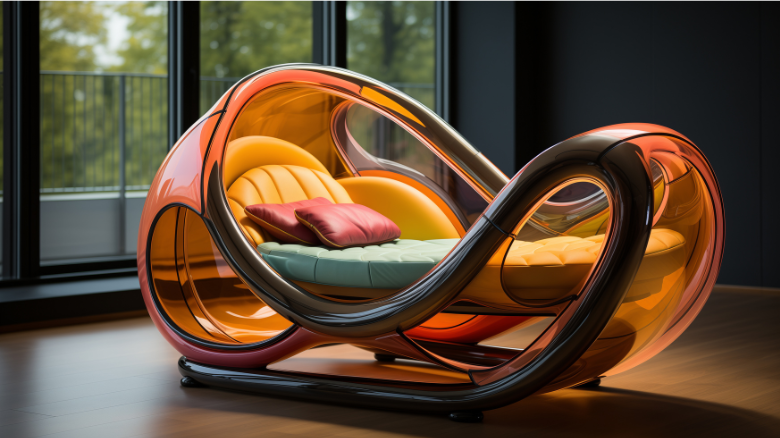
In a world where the pace of technological advancement is nothing short of dizzying, the spaces we inhabit are morphing faster than ever before. From the confines of our homes to vast public arenas, the very concept of furniture is being redefined. Modern design enthusiasts, architects, and interior designers are no longer content with static pieces. They demand furniture that not only adapts but also anticipates the needs of tomorrow. Imagine furniture that can transform at your whim, pieces that are as dynamic as they are functional. As we stand on the brink of a new era in design, one can't help but wonder: What will the furniture of the future look like, and how will it seamlessly integrate into our ever-changing spaces?
Changing Spaces, Changing Planet: Furniture for the Future
In the face of an ever-dynamic world, our living spaces are becoming fluid, demanding furniture that can keep pace. Your home is no longer just a place to rest; it's a multifaceted environment where work, leisure, and socialising converge. The challenge? Crafting furniture that can adapt and transform with these shifting needs. The future of furniture is not just about aesthetics—it's about creating pieces that are as versatile as they are stylish. It's about reimagining what furniture can be, pushing boundaries and embracing innovation at every turn.
Revolutionary Designs: From Concept to Reality
Imagine a sofa that can morph into a dining table, or a bed that disappears to reveal a workspace. These are not mere fantasies but are becoming tangible realities. Designers are exploring modular designs that allow you to reconfigure your space with ease. These pieces can be expanded, contracted, or even folded away, offering unparalleled flexibility. The key is to create furniture that serves multiple purposes without compromising on comfort or style.
The use of sustainable materials is also gaining traction. As awareness of environmental issues grows, there's a shift towards using recycled and renewable resources. Bamboo, reclaimed wood, and even ocean plastic are being transformed into elegant furniture pieces. This not only reduces waste but also ensures that each piece is environmentally friendly, aligning with the global push for sustainability.
Embracing Technology: Smart Furniture
Incorporating technology into furniture is no longer a novelty—it's becoming a necessity. Imagine a coffee table that charges your devices wirelessly or a chair that adjusts its support based on your posture. Smart furniture doesn't just look good; it enhances your living experience by making life more convenient. Embedded sensors, IoT (Internet of Things) capabilities, and AI-driven features are revolutionising how we interact with our surroundings.
Moreover, the integration of augmented reality (AR) in design allows you to visualise how furniture will look in your space before making a purchase. This level of personalisation is unprecedented, allowing you to make informed decisions that cater to your unique preferences.
Minimalism with a Twist
The trend towards minimalism is clear, with many opting for clean lines and uncluttered spaces. Yet, the future of furniture isn't about stripping down to the bare essentials. It's about creating pieces that exude elegance and simplicity while offering depth and functionality. Think of it as minimalism with a twist—where every element has a purpose, and every design choice is intentional.
Future furniture will focus on seamless integration, where pieces blend effortlessly with their environment. This might involve using neutral colours or materials that reflect natural light, creating an open and airy atmosphere. The goal is to craft spaces that feel expansive, even in the smallest of rooms.
Customisation: Crafting Your Unique Space
Personalisation is at the heart of future furniture design. No longer will you have to settle for off-the-shelf pieces that don't quite fit your vision. Instead, designers are offering customisable options that let you tailor every aspect of your furniture. From the fabric and colour to the size and shape, you have the power to create a piece that truly reflects your style and needs.
This trend is driven by advances in manufacturing, such as 3D printing, which allows for bespoke designs at a fraction of the cost. It's about giving you the ability to express yourself through your environment, ensuring your space is as unique as you are.
Conclusion:
The future of furniture is as exciting as it is transformative. The focus is on creating pieces that are adaptable, sustainable, and infused with technology, all while maintaining an aesthetic appeal. As we continue to innovate and push the boundaries of design.
Anu Furniture embraces future furniture design with smart concepts, minimal aesthetics, and practical innovation. These designs focus on evolving lifestyles, combining technology, comfort, and sustainability for next-generation living spaces.