
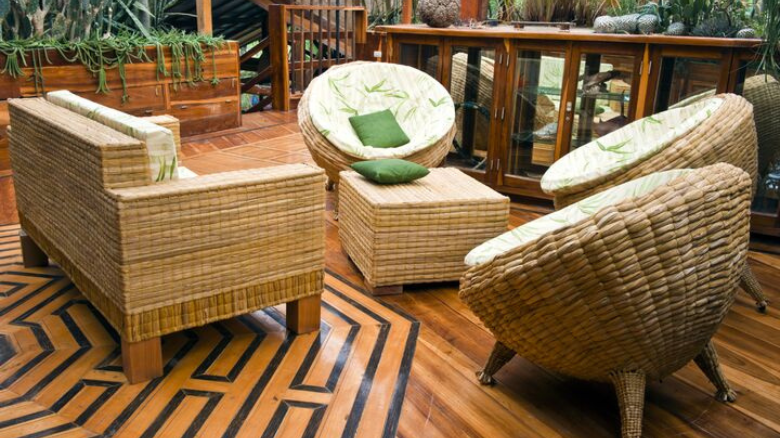
Imagine stepping into a home where every piece of furniture not only complements the decor but also whispers tales of sustainability and environmental consciousness. In the bustling cities of India, where modernity often collides with tradition, a growing number of households are pivoting towards eco-friendly living practices. This transition is not merely about aesthetics; it's a conscious choice to reduce our carbon footprint and make a positive impact on the Earth. As our awareness deepens, so does our responsibility to make informed decisions about the materials we choose for our homes. With eco-friendly furniture, you can do just that—combine style, sustainability, and practicality with a single brushstroke.
Have you ever wondered if your furniture choices can make a tangible difference to the environment? Could the materials you select for your home be the key to a more sustainable future?
Key Takeaways
Discover the top sustainable materials for eco-friendly furniture in India
Learn about the environmental benefits of choosing sustainable materials
Find out where to source eco-friendly furniture options in India
Understand the impact of your furniture choices on the planet
Incorporate sustainability into your home decor with ease
Choosing Sustainable Materials for Eco-Friendly Furniture
Selecting sustainable materials for furniture is not just a trend; it's an essential step towards a healthier planet. With the furniture industry often criticised for its environmental impact, from deforestation to pollution, opting for eco-friendly alternatives can significantly reduce these adverse effects. But what makes a material sustainable, and how can you incorporate these choices into your home? By understanding the options available and their benefits, you can make informed decisions that align with your values and lifestyle.
When you think of sustainable furniture, bamboo often springs to mind. With a growth rate faster than most hardwoods, bamboo offers a renewable resource that's strong, lightweight, and versatile. Its natural beauty and resilience make it an excellent choice for a variety of furniture pieces, from sleek dining tables to elegant bed frames. Bamboo's ability to regenerate rapidly without the need for replanting makes it an environmental champion. In India, artisans and manufacturers are increasingly turning to bamboo to create stunning furniture that marries tradition with innovation.
Reclaimed wood is another sustainable superstar. By repurposing wood from old buildings or furniture, you give existing materials a new lease of life, reducing the demand for freshly cut timber. Each piece tells a story, with unique grains and textures that add character to any space. In India, reclaimed wood is gaining popularity, not only for its environmental benefits but also for its aesthetic appeal. From rustic coffee tables to intricate shelving units, reclaimed wood brings warmth and history into your home.
Cork, often associated with wine bottles, is making waves in the world of eco-friendly furniture. Harvested from the cork oak tree without harming it, cork is a renewable material that's incredibly versatile and durable. Its natural elasticity and resistance to moisture and pests make it ideal for a range of furniture applications, from seating to flooring. Cork's unique texture and insulating properties add both style and comfort to your living space, making it a smart choice for the environmentally conscious consumer.
Metal, particularly recycled steel and aluminium, offers a robust and sustainable option for furniture design. These materials can be melted down and reused with minimal loss of quality, making them an eco-friendly choice for everything from bed frames to dining chairs. In India, where the metal industry is thriving, opting for recycled metal furniture can support local artisans while reducing environmental impact. With sleek lines and a modern edge, metal furniture can add a contemporary touch to any room.
Finally, natural fabrics, such as organic cotton, linen, and hemp, provide sustainable options for upholstery and soft furnishings. Free from harmful pesticides and chemicals, these materials are gentle on the environment and your health. Their breathability and natural fibres offer comfort and elegance, creating inviting spaces that reflect your commitment to sustainability. By choosing natural fabrics, you not only enhance the aesthetic of your home but also contribute to a cleaner, greener planet.
Conclusion:
Choosing sustainable materials for your furniture is more than just a design choice; it's a reflection of your values and commitment to a healthier planet. By opting for bamboo, reclaimed wood, cork, recycled metal, and natural fabrics, you can create a home that is both stylish and environmentally friendly. As you explore these options, consider the stories each piece tells and the impact it has on our world.
Sustainable furniture materials are shaping conscious homes.Anu Furniture uses responsibly sourced wood, durable finishes, and eco-friendly processes to create furniture that lasts longer while reducing environmental impact. Our sustainable designs combine style, strength, and care for a greener future.urniture you choose?