
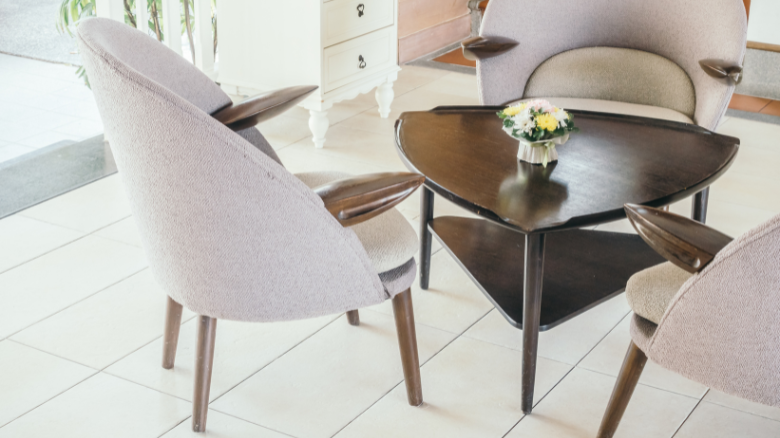
Imagine walking into your new home, excited to fill it with furniture that echoes your personality. Yet, as you place each piece, you realise the room feels cramped, and the furniture seems disproportionate. This scenario is all too common for homeowners and renters alike. Understanding how to choose the right furniture size and layout for your space is crucial. It's not just about aesthetics; it's about creating an environment where you can live comfortably and efficiently. By mastering the art of furniture selection and arrangement, you can transform any space into your personal haven.
Have you ever wondered why some rooms feel just right while others seem off, even when filled with beautiful furniture?
How to Choose the Right Furniture Size and Layout for Your Space
Selecting the right furniture size and layout involves more than just picking pieces that catch your eye. It's about understanding your space's unique characteristics and how each element will interact with the room and its occupants. This process starts with a thorough assessment of your space, considering both its dimensions and its intended use.
Step 1: Measure Your Space
Before you even think about furniture styles or colours, grab a tape measure. Accuracy is your best friend here. Measure the length and width of each room, noting any architectural features like windows, doors, or alcoves. Remember, these features affect how furniture can be arranged. You should also measure ceiling height; tall furniture can make a room feel grand, but it can overwhelm a space with low ceilings.
Creating a floor plan is a smart move. You can use graph paper or digital tools to sketch out your room. This visual representation helps you understand the spatial dynamics and experiment with different layouts. Mark fixed elements like radiators or window sills to avoid surprises later.
Step 2: Consider the Room's Function
Every room has a purpose, and your furniture should reflect that. Is your living room a space for entertaining guests, or is it your cosy retreat after a long day? A dining room might double as a home office, requiring furniture that supports both functions. Understanding the primary use of each room guides your furniture selection, ensuring it meets your needs.
For instance, in a living room focused on relaxation, you might prioritise a plush sofa and a coffee table that invites casual conversation. Conversely, if the same room is your entertainment hub, you might opt for a sectional sofa with ample seating and a media console.
Step 3: Choose the Right Furniture Sizes
Selecting furniture that fits well within your space is akin to solving a puzzle. Each piece should harmonise with the room's dimensions and not just fill it. Oversized furniture can dwarf a room, while undersized pieces might look lost. The goal is to strike a balance that feels just right.
Begin with the largest piece of furniture for each room. In a bedroom, this would be the bed; in a living room, it might be the sofa. These anchor pieces set the tone for the rest of the room. From there, add complementary pieces like chairs, tables, and storage units, always considering how they interact with the space and each other.
Step 4: Plan for Flow and Accessibility
Furniture arrangement isn't merely about aesthetics; it's about how you move through and use a space. Consider the natural flow of traffic in each room. There should be clear pathways that allow easy access to all areas without obstruction. This is particularly important in smaller spaces where every inch counts.
A good rule of thumb is to maintain at least 60 cm of clearance in main pathways. This ensures that movement is unimpeded and the room feels open and inviting. In dining areas, leave enough space to comfortably pull out chairs and manoeuvre around the table.
Step 5: Experiment with Layouts
Before committing to a layout, explore different configurations. This is where your floor plan comes in handy. Experimenting on paper or with an app can save you from heavy lifting and rearranging later. Try various placements for your major pieces and see how they affect the room's flow and feel.
Don't be afraid to think outside the box. Sometimes unconventional arrangements can maximise space and enhance a room's functionality. For example, placing a sofa at an angle can create a dynamic look and improve traffic flow in a large living area.
Step 6: Balance Style with Practicality
While it's tempting to choose furniture solely based on style, it's essential to balance aesthetics with practicality. Consider materials, durability, and maintenance. A stunning white sofa might not be the best choice for a household with young children or pets. Instead, opt for fabrics and finishes that align with your lifestyle.
Remember, your furniture should serve you, not the other way around. Prioritise pieces that enhance your daily life and make your home a comfortable retreat. Accessories like rugs, cushions, and artwork can add personality without compromising functionality.
Step 7: Use Visual Aids
Visual aids are invaluable in the planning process. Floor plans, mood boards, and apps can help you visualise how different pieces will look and fit in your space. Tools like augmented reality apps allow you to see how furniture will look in your home before purchasing, reducing the risk of costly mistakes.
These aids also help you play with colour schemes and styles, ensuring that your furniture complements the room's overall design. By experimenting with different options, you can create a cohesive and inviting space that reflects your personality.
Conclusion
Choosing the right furniture size and layout is a blend of art and science. By measuring your space accurately, considering its function, and experimenting with different layouts, you can create a home that's both beautiful and functional. Remember to balance style with practicality and use visual aids to guide your decisions. With these tips, you're well on your way to creating a space that truly feels like home.
Anu Furniture helps you understand how to choose furniture size with expert guidance tailored to room layouts and lifestyle needs. Make confident choices that ensure perfect fitting, comfort, and balanced aesthetics in every space.