
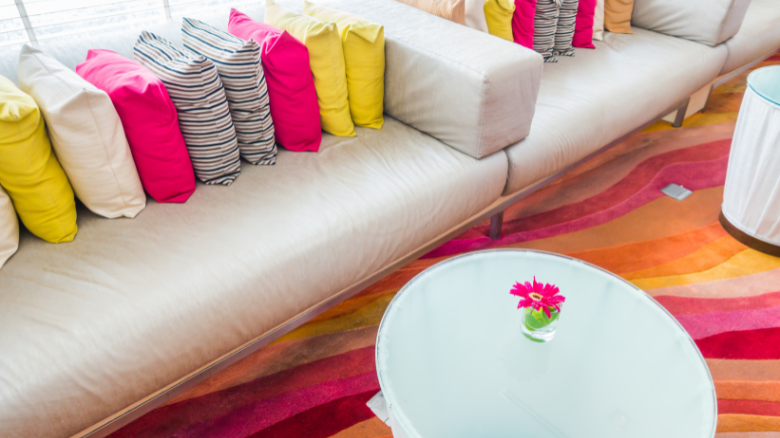
Imagine walking into a home where every piece of furniture seems to tell its own story, yet together, they create a harmonious symphony of style. This is the magic of mixing and matching furniture styles in interior decor. It’s an art that gives your space character and depth, reflecting your personality and taste. For homeowners and interior design enthusiasts in India, this approach offers a splendid opportunity to combine traditional elegance with contemporary chic, creating a home that is both timeless and trendy. But how do you achieve this balance without descending into chaos?
Have you ever wondered how you can blend seemingly incompatible furniture styles to create a space that's uniquely yours and yet perfectly harmonious?
How to Mix and Match Furniture Styles for a Cohesive Home Look
Creating a home that seamlessly blends different furniture styles might seem daunting at first, but with a few strategic steps, you can transform your space into an eclectic masterpiece. The key lies in understanding the foundational principles of interior design, such as balance, proportion, and harmony. Whether you're mixing modern minimalist pieces with antique classics or industrial elements with bohemian decor, the goal is to create a space that feels intentional and cohesive.
Understanding Balance and Proportion
To begin, grasp the concept of balance and proportion. Balance in interior design refers to the distribution of visual weight within a space. Imagine your room as a scale; you want to distribute the weight evenly to prevent any side from feeling too heavy or too light. Proportion, on the other hand, deals with the size relationship between different elements. For instance, pairing a bulky Victorian armchair with a sleek mid-century modern coffee table might create an interesting contrast, but ensuring they complement each other in size will maintain visual harmony.
When mixing furniture styles, start by selecting a dominant style that will serve as the foundation of your decor. This could be a style you already favour or one that fits your home's architecture. From there, you can introduce secondary styles that add diversity and interest. For example, if your dominant style is contemporary, you might add rustic pieces for warmth or Art Deco elements for a touch of glamour.
Colour and Texture: The Glue that Binds
Colour and texture play pivotal roles in tying together different furniture styles. A cohesive colour palette can unify disparate pieces, creating a visual thread that runs through your space. Start by choosing a base colour that complements your dominant style, then incorporate accent colours through secondary styles. For instance, neutral tones like beige or grey can form a backdrop for more vibrant hues in accessories or art.
Textures add another layer of depth to your decor. Mixing textures like wood, metal, and fabric can create a rich, tactile experience. Consider a leather sofa paired with a wooden coffee table and metallic light fixtures. This combination not only adds visual interest but also engages the senses, making your space feel more dynamic and inviting.
Establishing Focal Points
Every room needs a focal point—a spot that draws the eye and anchors the design. In a mixed-style room, a focal point helps to ground the space and provides a sense of order. It could be an architectural feature like a fireplace, a statement piece of furniture, or a large piece of artwork.
When selecting a focal point, ensure it resonates with your chosen styles. For example, if you're mixing industrial and farmhouse styles, a large wooden dining table with metal legs could serve as a striking centrepiece. Once established, arrange your furniture around this focal point, maintaining a sense of flow and movement throughout the room.
Accessorise with Purpose
Accessories are the finishing touches that bring your design to life. They offer a chance to introduce smaller elements of different styles without overwhelming the space. Think of them as the jewellery of your room—carefully chosen pieces that complement the overall look.
Choose accessories that echo the colours, textures, and shapes present in your furniture. For instance, if you've combined vintage and modern elements, look for accessories that reflect these styles, such as a retro-inspired lamp or a sleek, abstract sculpture. Remember, less is often more; select a few standout pieces rather than cluttering your space with too many items.
Learning from Successful Combinations
To gain inspiration, examine examples of successful furniture style combinations. In India, a popular trend is blending traditional Indian decor with contemporary elements. A classic wooden jharokha combined with minimalist furniture can create a striking yet harmonious space. Another example is the fusion of Scandinavian simplicity with Indian textiles, offering a cosy, inviting atmosphere.
When exploring these combinations, pay attention to how designers balance different elements, use colour and texture, and establish focal points. Taking cues from these examples can provide valuable insights as you embark on your own design journey.
As you set out to mix and match furniture styles, remember that the most important element is your personal taste. Your home should be a reflection of who you are, a space where comfort and style coexist. By understanding the principles of balance, colour, texture, and focal points, you can create a home that is not only visually appealing but also uniquely yours.
Anu Furniture helps you master mix and match furniture styles with curated collections blending contemporary, traditional, and modern looks. Create personalized spaces that reflect your taste with versatile designs crafted for seamless harmony.