
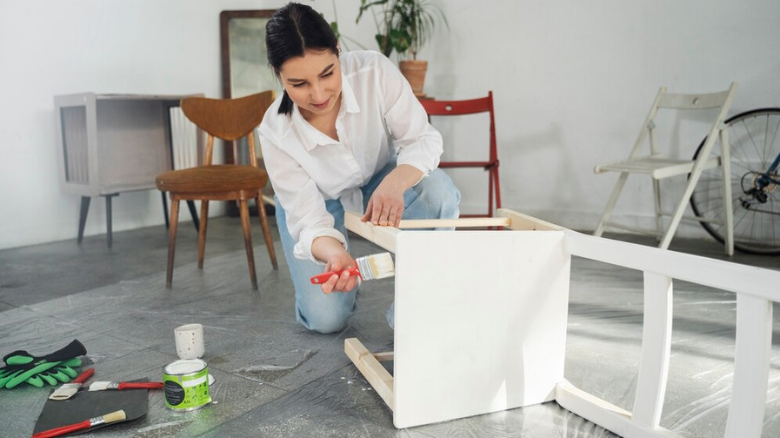
Transforming old wooden furniture into breathtaking pieces isn't just a task; it's an art form. Whether you're looking to breathe new life into a vintage find or add a personal touch to your home decor, painting and refinishing wooden furniture can be a rewarding endeavour. This guide will walk you through every step, ensuring that your furniture not only looks professionally done but also retains its beauty for years to come. Let's dive into the world of colours, finishes, and techniques that can help you achieve a pro-level finish without breaking a sweat.
Ever wondered why some furniture pieces catch your eye while others fade into the background? Could the secret lie in the art of refinishing?
Key Takeaways:
- Discover essential tools and materials for painting and refinishing wooden furniture
- Learn step-by-step techniques to prepare and finish your furniture like a professional
- Explore creative ideas for personalising your furniture with paint and stains
- Understand common mistakes to avoid during the refinishing process
- Find out where to purchase quality wooden furniture in Hyderabad for your next project
Breathing new life into wooden furniture can seem daunting at first. But with the right approach and a touch of creativity, you can transform any piece into a stunning work of art. Before you begin, it's crucial to understand the different steps involved in painting and refinishing. This includes everything from choosing the right materials to applying the final coat of varnish. So, roll up your sleeves and get ready to embark on a journey that will not only enhance your furniture but also your DIY skills.
1.Preparing Your Furniture:
Before you even think about dipping your brush into paint, preparation is key. Start by cleaning your furniture thoroughly with a mild detergent and water. This step removes any dust, grease, or old polish that could prevent paint or stain from adhering properly. Once dry, inspect your furniture for any damages like scratches or dents. Use wood filler to repair these imperfections, then sand the entire surface with medium-grit sandpaper to create a smooth, even finish. Remember, a well-prepared surface is the foundation of a great paint job.
2.Choosing the Right Paint and Tools:
When it comes to painting wooden furniture, the type of paint and tools you use can make all the difference. For a durable and long-lasting finish, opt for a high-quality latex or oil-based paint. Chalk paint is another popular choice due to its matte finish and ease of use. As for tools, invest in a set of good-quality brushes and rollers to ensure a smooth application. Don't forget a primer, which helps the paint adhere better and last longer.
3.The Art of Painting:
Now that your furniture is prepped and you've gathered your materials, it's time to paint. Start by applying a coat of primer with a brush or roller, allowing it to dry completely before moving on to the paint. When applying paint, use long, even strokes and work in the direction of the wood grain. This technique prevents streaks and ensures a professional finish. For the best results, apply two to three thin coats of paint, allowing each coat to dry thoroughly before applying the next.
4.Adding a Personal Touch:
To make your furniture truly stand out, consider adding some personal flair. Stencils, decals, and even hand-painted designs can add a unique touch to your piece. If you prefer a more rustic look, distressing techniques like sanding edges or using wax can give your furniture an aged appearance. Whatever style you choose, make sure it complements your home decor and reflects your personality.
5.Finishing Touches:
The final step in the refinishing process is to protect your hard work with a clear coat of varnish or polyurethane. This not only enhances the colour and texture of your paint but also safeguards it from wear and tear. Apply the varnish in thin, even coats, following the manufacturer's instructions for drying times. For an ultra-smooth finish, lightly sand between coats with fine-grit sandpaper.
6.Common Mistakes to Avoid:
Even the most experienced DIY enthusiasts can make mistakes. To avoid common pitfalls, ensure your workspace is dust-free and well-ventilated. Don't rush the drying process between coats, as this can lead to an uneven finish. Finally, resist the urge to skip the primer, as it's essential for a lasting paint job.
Conclusion:
Painting and refinishing wooden furniture is an art that combines patience, precision, and creativity. By following these steps, you can achieve a professional finish that transforms your furniture into a centrepiece of your home. Whether you're working on a small side table or a large dining set, the key lies in preparation and attention to detail.
Discover the timeless elegance of wooden furniture at Anu Furniture. Crafted for durability and style, our collection adds warmth and character to your home, making every space inviting and beautiful