
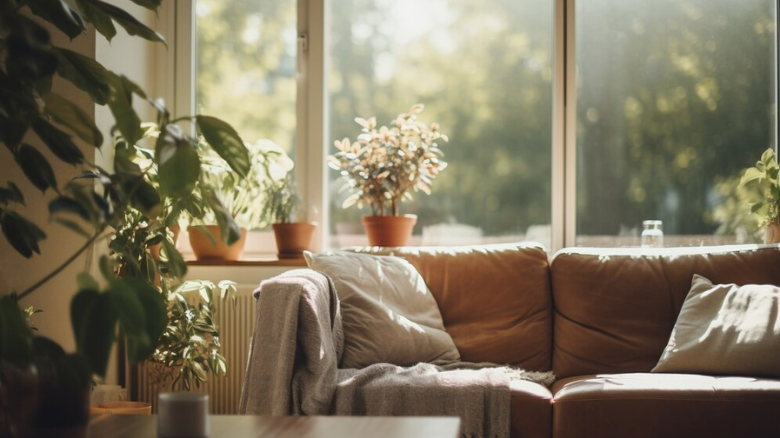
Imagine coming home to your beautifully decorated living room only to find that your beloved sofa has faded, or the varnish on your elegant wooden table has started to peel. Sun damage isn't just a problem for your skin; it can wreak havoc on your furniture too. In India, where sunlight can be intense and unrelenting, protecting your furniture from UV rays is essential for maintaining its beauty and longevity. With a few practical steps and keen attention, you can shield your furniture from the sun's harsh effects and keep your home looking pristine for years to come.
Ever thought about how much sunlight your furniture absorbs every day? Could your home décor be silently suffering in the sun’s relentless gaze?
Key Takeaways:
- Implementing window treatments like curtains or blinds can significantly reduce UV exposure
- Regularly repositioning your furniture helps distribute sun exposure evenly
- Using protective coatings or covers can add an extra layer of defence against UV rays
- Incorporating indoor plants can act as natural sun blockers
- Consider the material of your furniture when devising sun protection strategies
How to Protect Your Furniture from Sun Damage?
Sun damage to furniture doesn’t happen overnight; it’s a gradual process that becomes noticeable over time. However, with some proactive measures, you can mitigate the adverse effects of sunlight on your beloved furnishings. The key lies in understanding how UV rays interact with different materials and implementing practical solutions to safeguard them. From living room sofas to wooden dining tables, every piece of furniture can benefit from some sun protection.
1.Window Treatments:
One of the most effective ways to protect your furniture is by controlling the sunlight that enters your home. Window treatments like curtains, blinds, or shades can act as a first line of defence against UV rays. Opt for blackout curtains or thermal blinds that not only block sunlight but also help regulate room temperature. When choosing curtains, consider light-filtering fabrics that allow some natural light while reducing UV exposure. You might also explore UV window films, which can be applied directly to glass and provide an invisible shield against harmful rays.
Decorative elements like curtains and blinds not only serve a functional purpose but also enhance the aesthetic appeal of your home. Selecting colours and patterns that complement your interior design can turn a protective measure into a style statement. What’s more, window films are particularly beneficial for windows with panoramic views, allowing you to enjoy the scenery without compromising on furniture protection.
For those who prefer a more natural look, consider installing bamboo or wooden blinds. These eco-friendly options effectively block out sunlight while adding a touch of rustic charm to your space. Remember, even when it's cloudy, UV rays can penetrate and cause damage, so keep those window treatments handy all year round.
2.Rearrange Your Furniture:
Rearranging your furniture every few months can prevent any single piece from bearing the brunt of sun exposure. By rotating your furniture, you distribute sunlight more evenly, reducing the likelihood of noticeable fading or discolouration in one area. This simple yet effective strategy can extend the life of your furniture significantly.
Consider moving smaller items like chairs, side tables, and decorative pieces more frequently. For larger items, a seasonal shuffle might do the trick. Think of it as a way to refresh your living space and experiment with new layouts. Not only does this help with sun protection, but it also keeps your home looking dynamic and updated.
Incorporating flexible furniture designs, such as modular sofas or adjustable tables, can make rearranging a breeze. Additionally, lightweight furniture is easier to move around, giving you more freedom to play with different arrangements and sunlight angles.
3.Use Protective Coatings or Covers:
Applying protective coatings to your furniture can create a barrier against UV rays. For wooden furniture, consider using varnishes or sealants that contain UV inhibitors. These products can help maintain the natural colour and finish of the wood, preventing it from fading or cracking over time. Leather furniture can benefit from UV-protective sprays that help preserve its texture and colour.
Covers are another practical solution, especially for outdoor furniture or pieces placed near windows. Opt for breathable fabrics that offer protection without trapping moisture, which could lead to mould growth. Custom-made covers ensure a snug fit and comprehensive protection, especially for uniquely shaped pieces.
Regular maintenance, such as reapplying coatings and cleaning covers, is crucial to keep them effective. A little effort in upkeep can go a long way in preserving your furniture's appearance and structural integrity.
4.Incorporate Indoor Plants:
Indoor plants can serve as natural sun blockers, providing shade and absorbing some of the UV rays that enter your home. Strategically placing tall plants near windows can reduce the amount of direct sunlight hitting your furniture. Plants like ferns, palms, or rubber trees are not only effective at blocking light but also enhance indoor air quality and add a touch of greenery to your home.
Creating a green barrier between your furniture and the sun can also add a sense of tranquillity and connection with nature. This setup is particularly appealing in urban settings where outdoor greenery may be limited. Plus, caring for indoor plants can be a rewarding hobby that contributes to a healthier living environment.
Experiment with different plant arrangements to see which configurations provide the best shade for your furniture. Hanging planters or vertical gardens are innovative ways to integrate greenery into your interior design while maximising space efficiency.
5.Consider Material and Fabric Choices:
When selecting furniture, consider materials and fabrics that are more resistant to sun damage. Some materials are naturally more durable and less prone to fading, such as treated woods, synthetic fibres, or UV-resistant fabrics. If you're investing in new furniture, opting for these materials can save you time and effort in maintenance.
For existing furniture, slipcovers made from sun-resistant fabrics can offer a quick and stylish solution. These covers are available in various designs and can be easily removed for washing, providing both protection and convenience.
Keep in mind that darker colours tend to fade faster than lighter ones, so if sun exposure is unavoidable, choosing lighter shades can minimise noticeable fading. Additionally, some manufacturers offer fabrics specifically designed to withstand sunlight, so it's worth exploring these options during your furniture shopping.
Conclusion:
Incorporating these strategies into your home care routine can help preserve the beauty and functionality of your furniture. By taking proactive steps, you can enjoy your furnishings for years to come without worrying about the sun's damaging effects. Remember, a little prevention can go a long way in maintaining the elegance and comfort of your living space.