
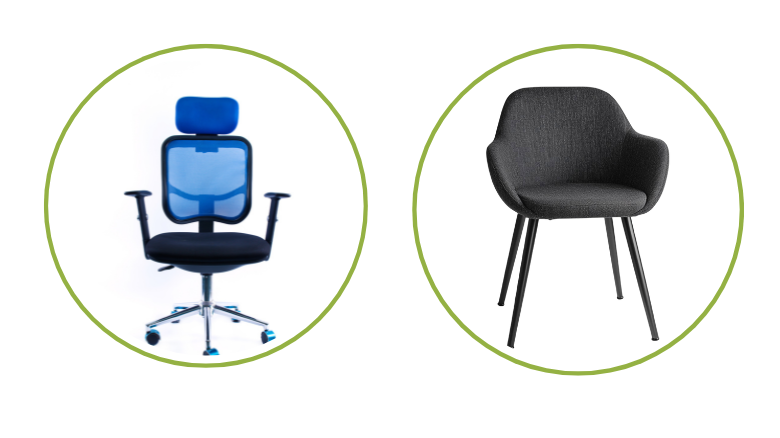
Choosing the right chair for your office or home can significantly impact both comfort and productivity. Whether you're an office manager revamping a workspace, an interior designer crafting the perfect aesthetic, or simply someone looking to upgrade your home office, the decision between rolling chairs and stationary chairs is crucial. Each type of chair brings its own set of advantages and disadvantages to the table, and understanding these can guide you towards an informed purchasing decision. Will you opt for the versatility of a rolling chair, or the stability of a stationary one?
Have you ever pondered how the right chair could be the unsung hero of your daily routine, enhancing comfort, mobility, and even productivity?
Key Takeaways
- Rolling chairs offer enhanced mobility and flexibility, ideal for dynamic workspaces
- Stationary chairs provide stability and can offer a more traditional aesthetic
- Comfort levels vary between chair types and are influenced by design and materials
- Durability often hinges on the quality of materials and construction
- Aesthetic preferences play a significant role in choosing between rolling and stationary options
Rolling Chairs vs. Stationary Chairs
In the modern workplace, the choice between rolling chairs and stationary chairs isn't just about style—it's about functionality and user experience. Rolling chairs, with their wheeled bases, offer mobility that's hard to beat. They allow you to glide effortlessly across your workspace, reaching for documents or interacting with colleagues without standing up. On the other hand, stationary chairs bring a sense of permanence and are often seen as the more stable option, offering a traditional seating experience.
Rolling Chairs: Pros and Cons
Rolling chairs have become synonymous with modern office environments. Their mobility is a game-changer, especially in fast-paced settings where you need to access different areas of your desk quickly. The wheels provide a seamless transition from one task to another, and when paired with a swivel function, you gain a full range of motion without the need to strain or overextend. But like all things, they come with their own set of challenges.
The freedom to move can sometimes lead to distractions. In open-plan offices, the constant movement can become a point of contention among colleagues. Moreover, not all rolling chairs are created equal. Cheaply made wheels can damage flooring, and low-quality materials may lead to quicker wear and tear. However, investing in a high-quality rolling chair with durable wheels and robust construction can mitigate these issues, offering long-term comfort and utility.
Stationary Chairs: Pros and Cons
Stationary chairs, often seen in more traditional or formal settings, offer a different set of benefits. Stability is their hallmark. Without wheels, these chairs provide a solid base, which can be especially beneficial in settings where movement is less frequent or necessary. They are often preferred in conference rooms or waiting areas where a professional and consistent look is desired.
However, the lack of mobility can be a downside in more dynamic work environments. You can't slide from one end of your desk to the other without physically getting up, which might interrupt your workflow. Yet, for some, this very limitation is a benefit, as it encourages taking small breaks to stand up and move, promoting better posture and circulation. Additionally, stationary chairs often come in a wider variety of designs, allowing for more aesthetic flexibility in design-focused spaces.
Comfort Considerations
When it comes to comfort, both rolling and stationary chairs have their champions. Rolling chairs often feature ergonomic designs with adjustable settings for height, back support, and armrests, catering to those who spend long hours at their desks. The adjustability factor is a significant advantage, as it allows the chair to be customised to the user's specific needs, reducing the risk of discomfort or strain.
Stationary chairs, while sometimes lacking in adjustability, can still offer substantial comfort. Many are designed with plush padding and luxurious materials that provide a supportive seating experience. The key is to choose a chair that meets your ergonomic needs, whether that means prioritising adjustability or focusing on the quality of materials and construction.
Durability and Longevity
Durability is another crucial factor in the chair selection process. Rolling chairs, with their moving parts, are often subjected to more wear and tear. The quality of the wheels and the sturdiness of the base play a significant role in determining how long the chair will last. Investing in a high-quality model can ensure that your rolling chair remains a reliable companion for years to come.
In contrast, stationary chairs often boast a longer lifespan due to their simpler design. Without wheels or moving parts, there's less that can go wrong mechanically. However, this doesn't mean they're immune to wear. The materials used in the seat and backrest are critical, as they must withstand regular use without losing support or aesthetic appeal.
Aesthetic Appeal
Aesthetic considerations are not to be underestimated, especially in spaces where design is paramount. Rolling chairs often feature a modern look, with sleek lines and contemporary materials that fit well in cutting-edge office environments. They are available in a variety of colours and finishes, allowing for personal expression even within a professional setting.
Stationary chairs, on the other hand, can range from classic to modern, offering a broader spectrum of design possibilities. Whether you're looking for something that blends seamlessly into a traditional office or a bold statement piece, stationary chairs can deliver. The choice between the two often comes down to personal taste and the overall design vision for the space.
Buying Guide and Recommendations
Choosing between a rolling chair and a stationary chair ultimately depends on your specific needs and preferences. Here are some tips to guide your decision:
- Assess Your Workspace Needs: Consider how often you need to move around and whether mobility is a priority in your daily activities
- Prioritise Comfort: Look for ergonomic features that suit your body type and work habits, whether that means adjustability in a rolling chair or superior cushioning in a stationary model
- Think Long-Term: Invest in quality materials and construction to ensure longevity, regardless of the chair type
- Match Your Style: Choose a chair that complements your space's aesthetic, balancing functionality with design
In conclusion, the decision between rolling and stationary chairs isn't just about mobility or aesthetics; it's about finding the right fit for your lifestyle and workspace. Anu Furniture helps you choose between rolling vs stationary chairs. Whether you need mobility for office spaces or stability for dining, our diverse chair designs bring comfort, practicality, and style tailored to your lifestyle.