
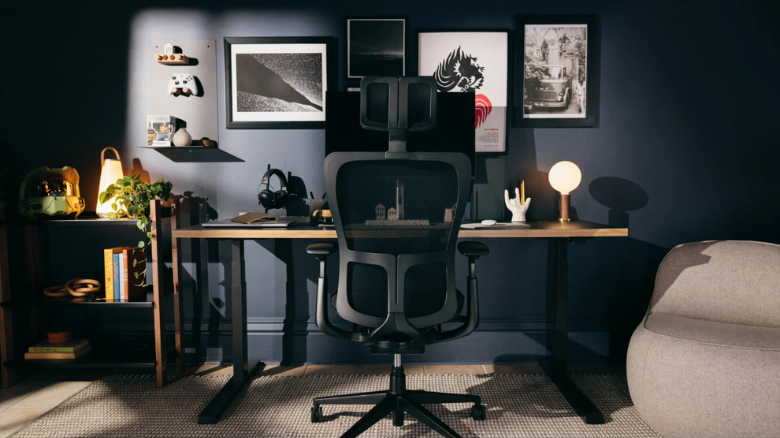
In today's fast-paced work environment, many of us find ourselves spending countless hours at a desk. Yet, how often do we pause to consider the impact of our office furniture on our health and productivity? Ergonomics, the science of designing equipment that fits the human body, plays a crucial role in how we feel and function throughout the day. By exploring the intricacies of ergonomic design, we can transform our workspaces into havens of comfort and efficiency. Imagine a workspace that not only supports your body but also boosts your performance. Isn't it time to rethink how you sit, stand, and work?
Have you ever wondered why some office setups leave you feeling tired and achy while others seem to energise and empower you?
Key Takeaways
Ergonomic furniture significantly enhances workplace comfort and productivity
Properly designed chairs, desks, and accessories can prevent long-term health issues
Adjustable furniture allows customisation to fit individual needs
Investing in ergonomic solutions can improve overall well-being
Understanding ergonomics is essential for creating an efficient workspace
The Science of Ergonomics in Office Furniture
Ergonomics is not just a modern buzzword; it's a science that caters to human needs, focusing on comfort, efficiency, and safety. In office furniture, ergonomics considers how people interact with their workspace and aims to minimise discomfort and health risks. By understanding the principles of ergonomics, you can set up an office environment that supports your body and enhances your productivity. Each piece of furniture—from your chair to your keyboard tray—plays a role in your daily comfort and efficiency.
Ergonomics begins with recognising the natural posture of the human body and designing furniture that accommodates it. An ergonomic chair, for example, supports the spine's natural curve, reducing strain on the back and neck. These chairs often feature adjustable seat heights, lumbar support, and armrests to cater to diverse body types and preferences. Studies show that proper chair support can decrease back pain and improve focus at work.
Desks also play a pivotal role in ergonomic design. The ideal desk height allows your elbows to rest at a 90-degree angle while typing, reducing strain on your shoulders and wrists. Sit-stand desks offer flexibility by allowing you to alternate between sitting and standing, promoting circulation and reducing fatigue. Research indicates that incorporating standing periods into your day can enhance mood and energy levels.
The placement of monitors and keyboards is another critical aspect of ergonomics. Your monitor should be at eye level and an arm's length away to prevent neck strain. An adjustable monitor stand can help you achieve the perfect height. Similarly, a keyboard tray that allows your wrists to remain straight can prevent repetitive strain injuries. Ergonomic accessories, like wrist rests and document holders, further support a comfortable and efficient workflow.
Ultimately, the science of ergonomics aims to create a harmonious relationship between people and their work environment. By investing in ergonomic office furniture, you can mitigate health risks, boost productivity, and foster a more pleasant work atmosphere. It's not just about furniture; it's about enhancing your quality of life at work. So, are you ready to revolutionise your workspace with ergonomics in mind?
Conclusion:
The science of ergonomics offers invaluable insights into creating a comfortable and productive workspace. By prioritising ergonomic furniture and design, you can improve your health, efficiency, and overall job satisfaction. Remember, your workspace is more than just a place to sit; it's an environment that should support and inspire you.