
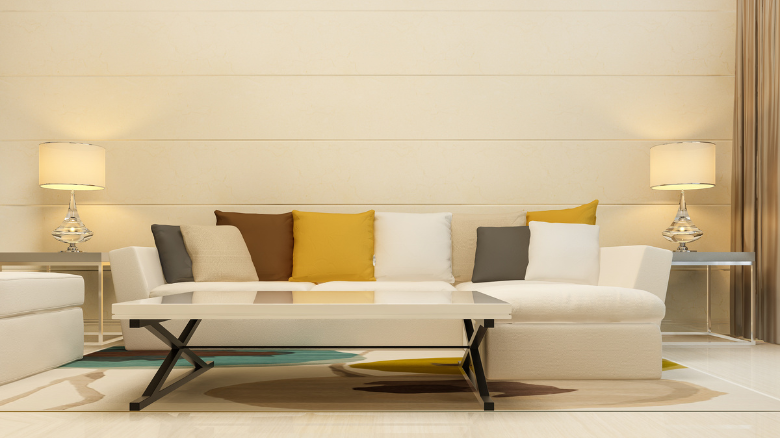
When it comes to purchasing living room furniture, durability is often at the forefront of our minds. After all, nobody wants to replace a sofa or coffee table every few years. In India, where the climate can vary dramatically, choosing the right material is crucial to ensure your furniture stands the test of time. From enduring wooden pieces to sleek metal designs, the materials you choose can significantly impact both the lifespan and aesthetics of your living space. With a plethora of options available, making an informed decision is vital for a home that not only reflects your style but also offers longevity.
Have you ever wondered why some living room furniture lasts for decades while others barely make it past a couple of years? The secret lies in the materials chosen and how they are crafted into the pieces that become the heart of your home.
Key Takeaways
- Wood: Offers timeless appeal and robust sturdiness, especially with hardwoods like teak and oak
- Metal: Known for its strength and modern aesthetic, perfect for minimalist designs
- Leather: Provides elegance and comfort, with proper care, it can last for years
- Fabric: Versatile and available in a variety of styles, but requires careful maintenance
- Synthetic Materials: Cost-effective and durable options with unique designs
Top Materials for Long-Lasting Living Room Furniture
Choosing the right material for your living room furniture is more than just a question of style; it’s about making a smart investment in your home. Each material brings its unique set of benefits and challenges, influencing not only the look and feel of your space but also its longevity. Understanding these materials' properties will guide you in selecting pieces that will serve you well for years to come.
Wood: The Timeless Classic
When it comes to durability and elegance, wood remains a firm favourite. Particularly, hardwoods like teak and oak are revered for their strength and ability to age gracefully. Teak, for instance, is lauded not just for its beautiful grain but also for its natural oils, which make it resistant to water and pests. This makes it an excellent choice for homes across India, where humidity and insects can be a concern.
Moreover, wooden furniture is versatile. It fits seamlessly into both traditional and contemporary settings. Whether you opt for a classic teak coffee table or a sleek oak bookshelf, wooden pieces can be easily integrated with other materials to create a harmonious aesthetic. However, keep in mind that wood requires regular maintenance, such as polishing and conditioning, to maintain its luster and prevent warping or cracking.
Another advantage of wood is its eco-friendliness. If sustainability is important to you, look for furniture crafted from responsibly sourced or recycled wood. This ensures that your stylish living room doesn’t come at an environmental cost. Plus, wooden furniture can often be repaired and refinished, extending its life beyond that of many other materials.
Metal: Strength and Modernity
Metal furniture has surged in popularity, especially among those seeking a sleek, modern look. Steel and aluminium are the most commonly used metals in furniture due to their strength and resilience. Steel, with its robust nature, is ideal for frames and structural elements, while aluminium offers a lighter alternative that doesn't compromise on durability.
The appeal of metal furniture lies in its ability to be shaped into intricate designs that would be impossible with other materials. This makes it perfect for creating eye-catching pieces that serve as conversation starters in your living room. Additionally, metals are resistant to pests and typically require less maintenance than wood, needing only occasional cleaning to prevent rust or tarnish.
However, metal can feel cold and impersonal on its own. To counteract this, many designs incorporate metal with other materials, such as wood or fabric, to add warmth and texture. This combination not only enhances the furniture's aesthetic appeal but also broadens its applicability in different interior styles.
Leather: Luxury and Comfort
Leather furniture exudes a sense of luxury and sophistication. It’s a classic choice for sofas and armchairs, where comfort is paramount. When well-cared for, leather can last for years, developing a patina that adds character to your furniture. Full-grain leather is the most durable type, as it retains the natural texture and markings of the hide, making each piece unique.
In addition to its durability, leather is relatively easy to clean. Spills can often be wiped away with a damp cloth, which is a boon for households with children or pets. However, leather does require regular conditioning to prevent it from drying out and cracking, especially in dry climates.
While leather is a significant investment, its longevity and timeless appeal can justify the higher upfront cost. For those on a tighter budget, consider leather-look or bonded leather alternatives, which offer the aesthetic benefits of leather at a fraction of the price.
Fabric: Versatility and Style
Fabric offers an array of colours, patterns, and textures, making it a versatile choice for living room furniture. Whether you’re drawn to the softness of cotton or the elegance of velvet, fabric can provide the comfort and style you desire. However, the durability of fabric depends heavily on its type and quality.
For high-traffic areas, opt for materials like microfiber or polyester blends, which are known for their stain resistance and durability. In contrast, natural fabrics like cotton and linen, while breathable and comfortable, may wear out more quickly if not properly maintained. Regular vacuuming and the use of slipcovers can extend the life of fabric furniture, protecting it from spills and dirt.
One of the main advantages of fabric is its ability to be reupholstered. This means you can refresh your furniture’s look without the need for a complete replacement. It also allows for a more personalised approach to your interior design, as you can choose from countless fabric options to suit your taste.
Synthetic Materials: Innovation and Affordability
Synthetic materials, such as polyurethane and acrylic, offer a durable and cost-effective alternative to traditional materials. These materials can mimic the appearance of more expensive options, providing a budget-friendly way to achieve a high-end look. Their resistance to wear and tear makes them particularly appealing for busy households.
Another benefit of synthetic materials is their ability to withstand harsh conditions. They are less susceptible to damage from sunlight and moisture, making them ideal for homes in humid or sunny climates. However, it's essential to check the quality, as lower-grade synthetics may not provide the same longevity as premium options.
In terms of design, synthetic materials are incredibly versatile. They can be moulded into various shapes and styles, offering endless possibilities for modern and unique furniture designs. This adaptability makes them a popular choice for contemporary living room settings.
Conclusion
Investing in the right materials for your living room furniture can save you time, money, and hassle in the long run. By understanding the strengths and weaknesses of each material, you can make informed decisions that suit your lifestyle and aesthetic preferences. Whether you favour the classic charm of wood, the sleekness of metal, the luxury of leather, the versatility of fabric, or the innovation of synthetic materials, there’s a perfect option for every home.
Anu Furniture offers living room pieces crafted from durable materials like solid wood, engineered boards, and premium upholstery. Designed for strength, comfort, and long-lasting beauty, our furniture ensures timeless style that withstands everyday use with ease.